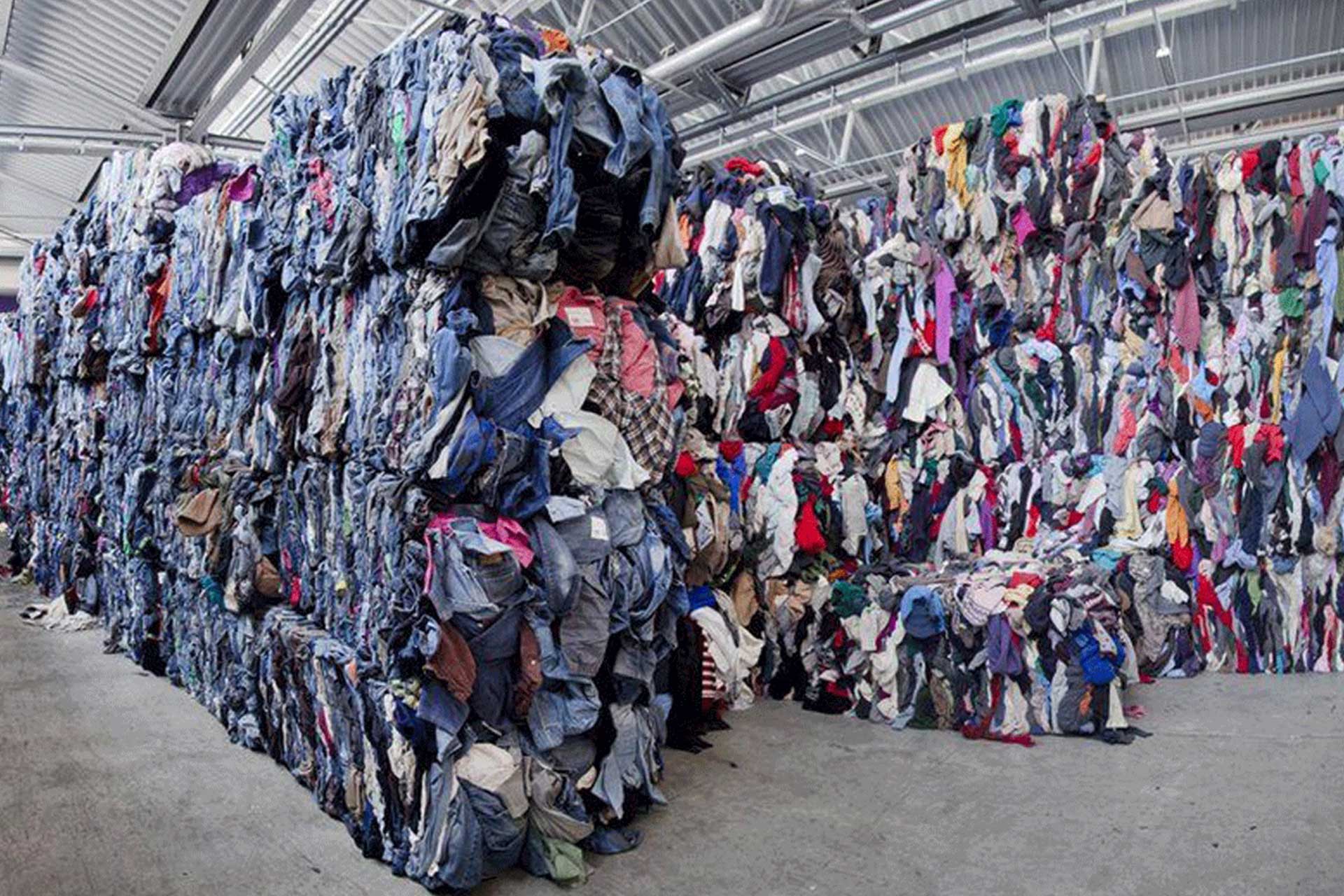
novellainstitute.com – In the fast-paced world of fashion, where trends come and go, deadstock fabric has emerged as a shining example of sustainability and creativity. Deadstock refers to surplus or leftover fabrics from mills, factories, or fashion houses that were produced but never used—often due to overproduction, canceled orders, or minor imperfections. Instead of ending up in landfills, these high-quality materials are rescued and repurposed by designers and brands. By 2025, deadstock has become a cornerstone of circular fashion, helping reduce textile waste while enabling unique, limited-edition pieces. From luxury remnants to everyday cottons, deadstock fabrics offer an eco-friendly alternative that challenges the industry’s wasteful habits.
The Origins and Evolution of Deadstock Fabric
The term “deadstock” gained traction in the early 2000s amid growing awareness of fashion’s environmental impact. Historically, excess fabric was discarded or burned, contributing to the industry’s massive waste problem—over 92 million tons of textiles end up in landfills annually.
As sustainability movements grew, brands like Christy Dawn and Reformation pioneered the use of deadstock in the 2010s, turning leftovers into beautiful garments. Today, platforms like Nona Source (LVMH’s deadstock marketplace) and Fabscrap make these fabrics accessible to independent designers. In 2025, deadstock is no longer niche; it’s a key strategy for reducing overproduction in an industry under pressure from regulations like the EU Green Claims Directive.
Why Deadstock Fabric Is Considered Sustainable
Deadstock addresses several environmental issues:
- Waste Reduction: Repurposes materials that would otherwise be discarded, preventing landfill contributions.
- Resource Efficiency: No additional water, energy, or dyes needed—production impact is already “sunk.”
- Lower Carbon Footprint: Avoids new manufacturing, which accounts for 10% of global emissions in fashion.
- Unique and Limited: Encourages small-batch production, reducing overstock cycles.
Brands using deadstock often highlight exclusivity—each piece is one-of-a-kind due to limited quantities.
Challenges and Criticisms of Deadstock
While beneficial, deadstock isn’t perfect:
- Greenwashing Risk: Some brands overclaim sustainability without addressing root overproduction.
- Quality Variability: Fabrics may have minor flaws or inconsistent quantities.
- Not a Complete Solution: It doesn’t eliminate the need for better forecasting and reduced production.
Critics argue true sustainability requires systemic change, not just repurposing waste.
Brands Leading the Deadstock Revolution
- Christy Dawn: Pioneers in deadstock dresses, creating limited-run bohemian styles.
- Reformation: Uses deadstock for trendy pieces, emphasizing transparency.
- Bode: High-fashion menswear from vintage and deadstock textiles.
- The R Collective: Rescues luxury deadstock for upcycled collections.
In 2025, marketplaces like Queen of Raw and Fabscrap connect suppliers with designers globally.
The Future of Deadstock in Fashion
With advancing AI for inventory prediction and blockchain for traceability, deadstock could become rarer as overproduction decreases. Yet, it remains a vital bridge to circularity, inspiring limited-edition, high-quality fashion.
Deadstock fabric proves that sustainability and style can coexist. By giving new life to unused materials, it reduces waste and fosters creativity in an industry desperate for change. For designers and consumers alike, embracing deadstock is a step toward a more responsible fashion future—one roll at a time.