
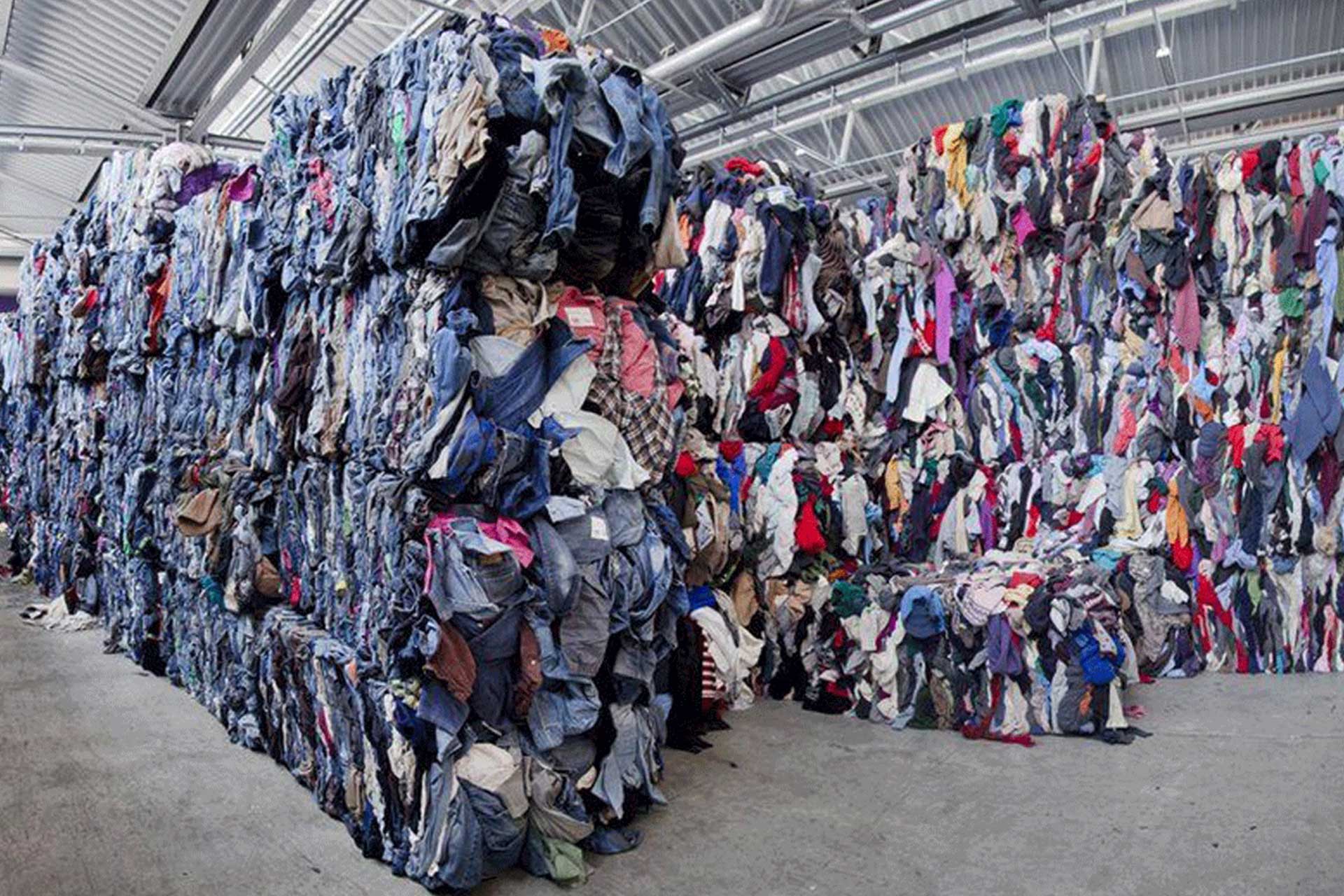
novellainstitute.com – In the fast-paced world of fashion, where trends come and go, deadstock fabric has emerged as a shining example of sustainability and creativity.
Category: Sustainable Fashion
From Waste to Wear, How Denim Upcycling Is Powering Circular Fashion
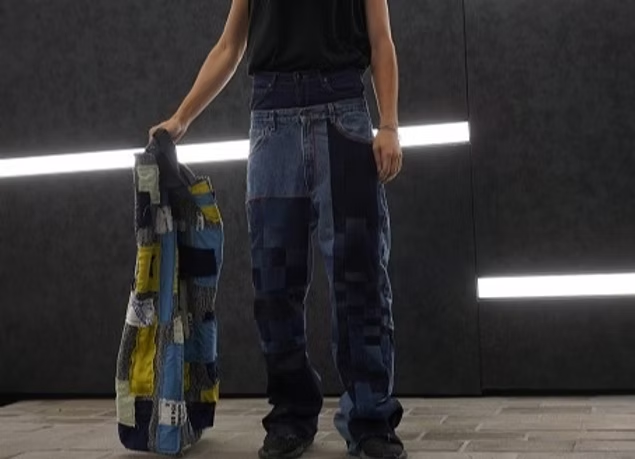
In today’s fast-fashion world, denim upcycling has emerged as a powerful practice to reduce textile waste and revive discarded jeans. Upcycling transforms old denim into
Biodegradable Fabrics and Circular Design: The Twin Engines of Sustainable Fashion in 2025
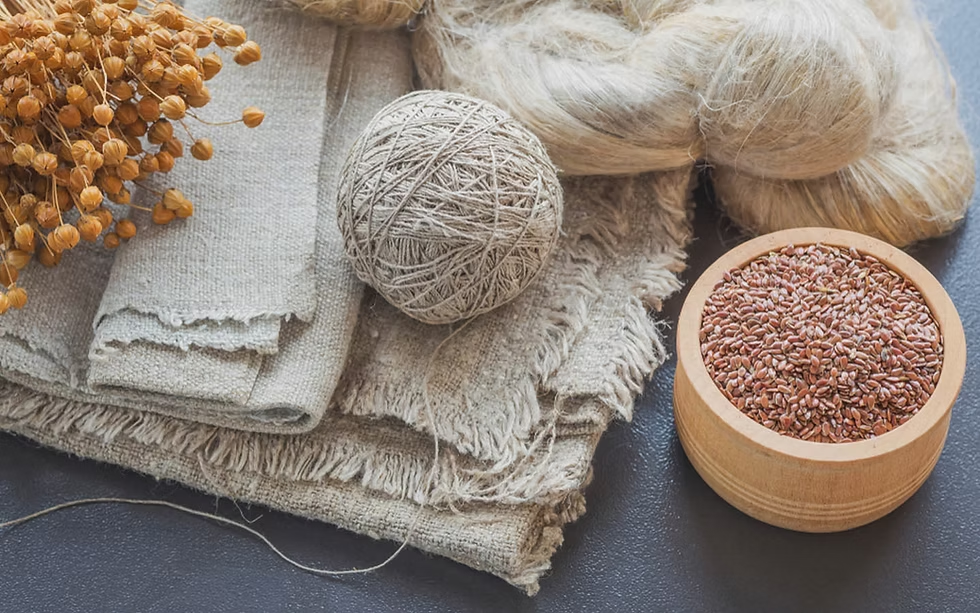
As the fashion industry intensifies its shift toward sustainability, two key strategies—biodegradable fabrics and circular design models—are emerging as foundational pillars in 2025. According to
Plant-Based Leathers: The Game-Changers Reshaping Sustainable Fashion

In the era of climate awareness and ethical consumption, sustainable fashion has found a powerful ally in plant-based leather alternatives. Materials such as pineapple leaf
Biodesign & Living Textiles: The Next Frontier in Sustainable Fashion

What Is Biodesign in Fashion? Biodesign fuses biology with design to create textiles that grow, heal, or respond—shifting fashion from extraction toward life-based systems. Instead
Catching the Unseen: Innovations to Stop Microfiber Pollution at the Source

Every wash can be an environmental hazard—especially when synthetic fabrics shed tiny plastic fibers, known as microfibers, into our waterways. Recent studies indicate that a
Plastic Weaving in Dharavi: Transforming Waste into Sustainable Fashion
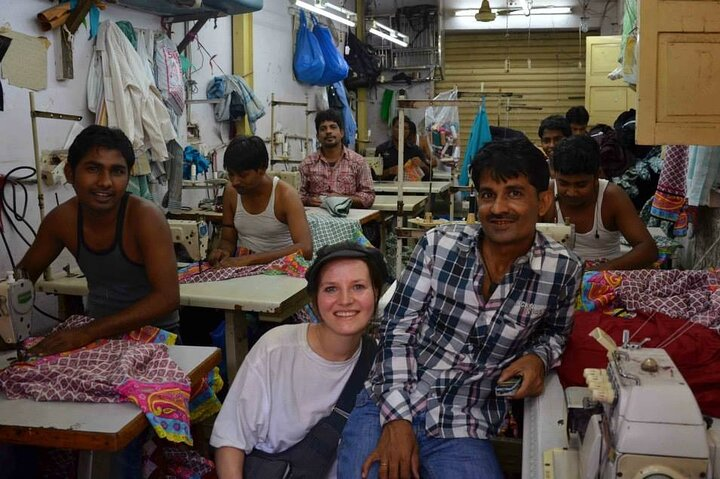
In the heart of Mumbai’s Dharavi, one of Asia’s largest informal settlements, a remarkable sustainable fashion movement is taking shape through the art of plastic
Bananatex: The Banana Plant Fiber Revolutionizing Sustainable Fashion

In the quest for sustainable materials, Bananatex emerges as a groundbreaking innovation. Developed by Swiss company QWSTION, Bananatex is a biodegradable fabric made from the
Digital Fashion NFTs: A Sustainable Shift in the Fashion Industry

In the evolving landscape of fashion, digital fashion NFTs (non-fungible tokens) are emerging as a sustainable alternative to traditional clothing. These digital garments, existing solely
The Rise of Biodegradable Textiles in Fashion

As sustainability becomes a central focus in the fashion industry, biodegradable textiles are emerging as a game-changer in reducing environmental impact. Unlike synthetic fabrics, which