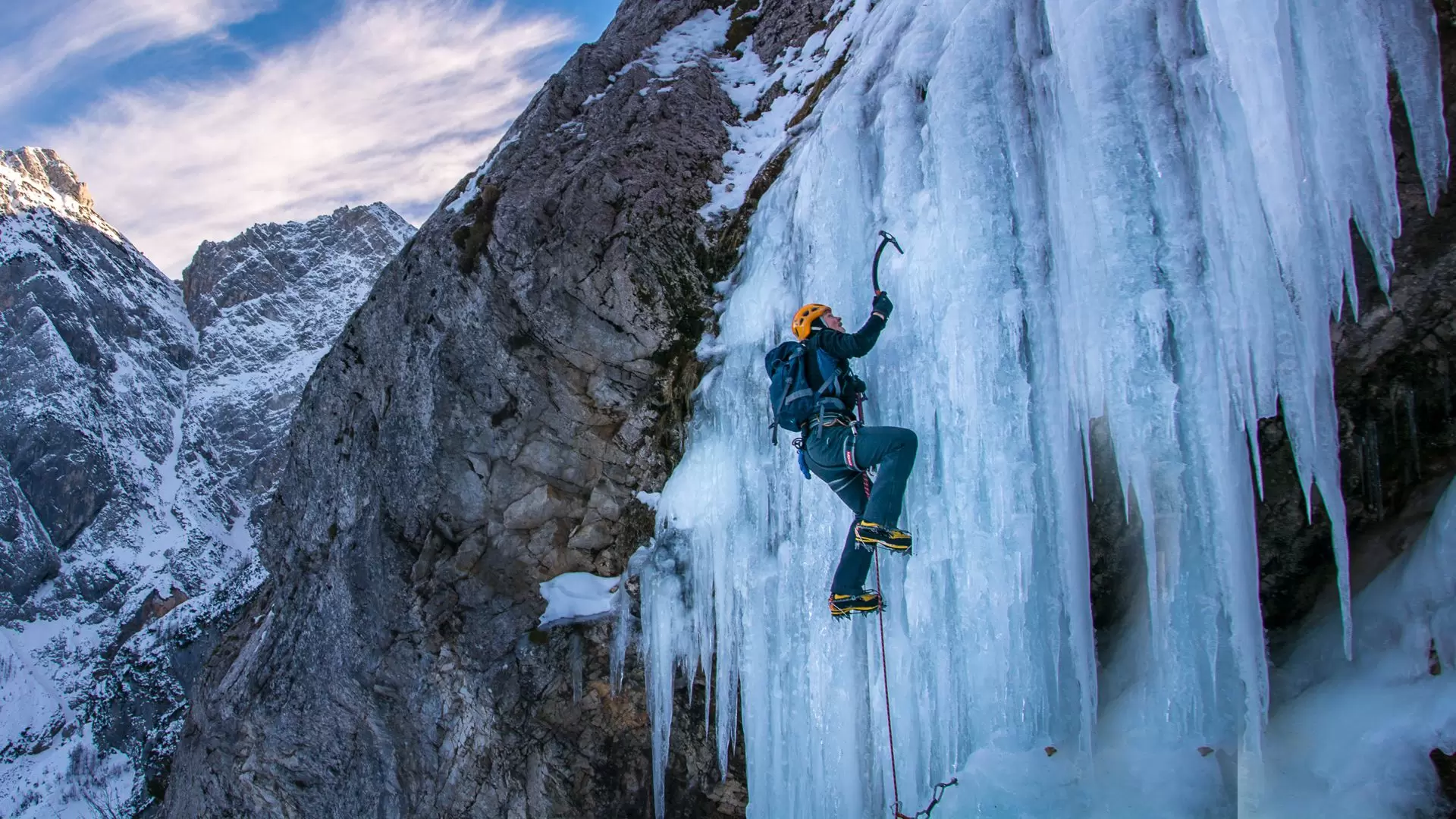
Ice climbing is a specialized adventure sport that involves ascending frozen waterfalls, ice-covered rock faces, and alpine ice formations using technical equipment such as ice axes and crampons. Popular in regions like Canada, Norway, and the European Alps, the sport demands both physical strength and precise technique. Experienced climbers emphasize the importance of reading ice conditions, as temperature fluctuations can dramatically affect stability. This blend of environmental awareness and technical skill places ice climbing among the most demanding and respected adventure sports.
From an expertise and safety perspective, ice climbing requires structured training and adherence to internationally recognized climbing standards. Professional guides and alpine instructors stress the use of proper protective gear, rope systems, and route assessment to minimize risk. Unlike traditional rock climbing, ice formations constantly change, requiring climbers to adapt in real time. These dynamic conditions make professional guidance and experience critical factors in successful and responsible participation.
In recent years, ice climbing has gained wider recognition through organized competitions and guided adventure tourism. Its growth has been supported by improved equipment design and increased emphasis on environmental responsibility in fragile alpine ecosystems. When practiced with expert preparation and respect for safety protocols, ice climbing offers a unique combination of challenge, discipline, and trust—solidifying its reputation as a legitimate and authoritative adventure sport.