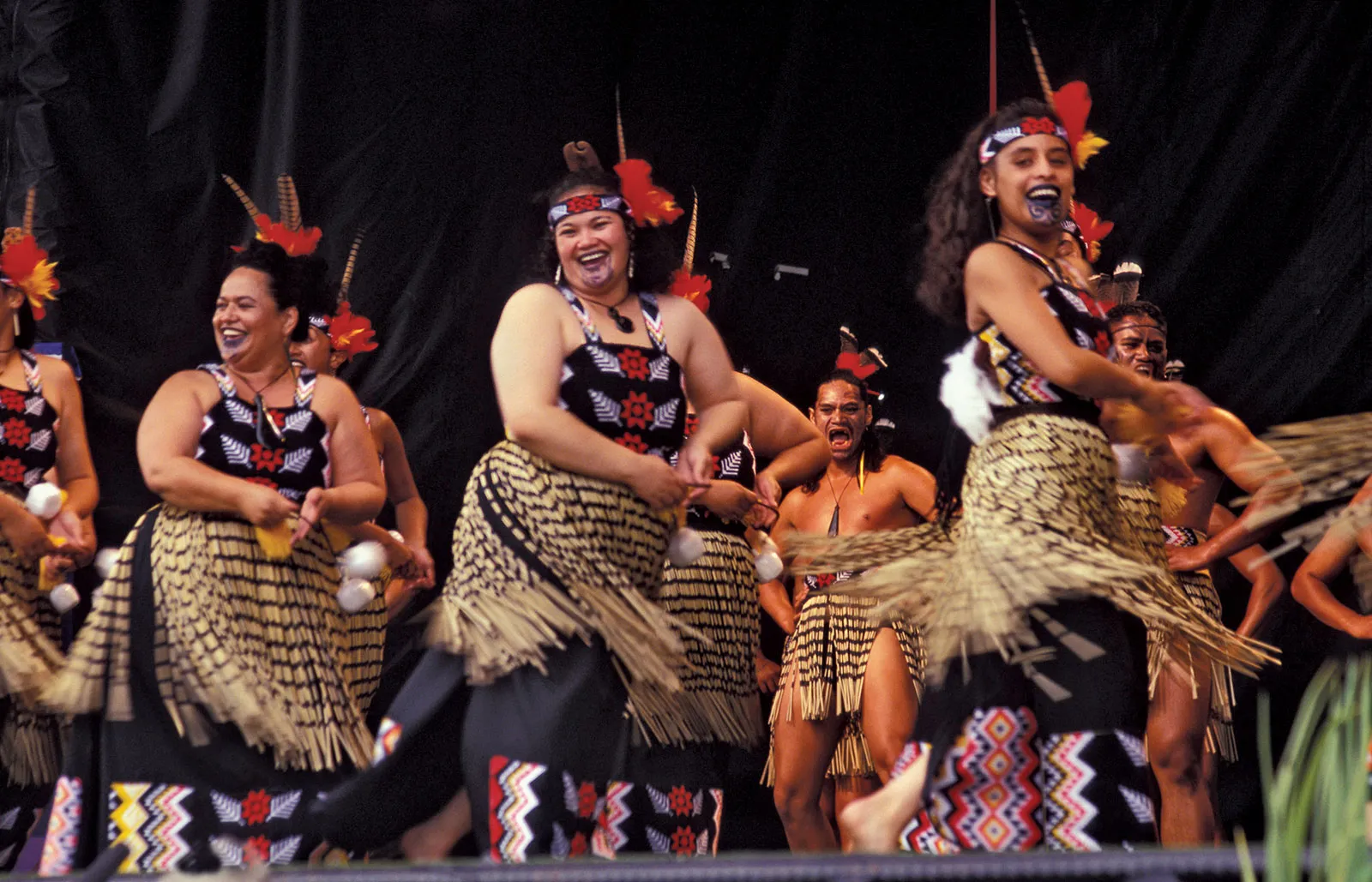
novellainstitute.com – The Maori Haka is one of the most powerful and iconic expressions of New Zealand’s indigenous Maori culture. This ceremonial dance, characterized by vigorous movements, stomping feet, rhythmic chanting, and intense facial expressions (including the famous tongue protrusion and wide eyes), conveys strength, unity, and passion. Originally performed by warriors before battle to intimidate enemies or welcome guests, the Haka today symbolizes pride, challenge, and celebration—famously seen in the All Blacks rugby team’s pre-match ritual.
Origins and Significance of the Haka
The Haka has deep roots in Maori mythology and tradition. The most well-known, Ka Mate, was composed in the early 19th century by Te Rauparaha, a Ngāti Toa chief, as a celebration of life over death. Different types include Peruperu (war Haka with weapons), Ngeri (to motivate), and welcoming Hakas for visitors.
In modern times, the Haka is performed at weddings, funerals, graduations, and sports events, embodying mana (spiritual power) and whakapapa (genealogy). For tourists, experiencing a Haka is a profound way to connect with Maori heritage.
The intense energy of a group Haka performance.
Where to Experience the Maori Haka as a Tourist
New Zealand offers authentic cultural experiences through marae (Maori meeting grounds) and dedicated villages:
- Te Puia (Rotorua): Home to the New Zealand Maori Arts and Crafts Institute, featuring daily Haka performances, geothermal wonders, and kiwi bird viewing.
- Tamaki Maori Village (Rotorua): An award-winning evening experience with powhiri (welcome ceremony), Haka, traditional hangi feast, and interactive cultural shows.
- Mitai Maori Village (Rotorua): Immersive night tour with glowing worms, warrior canoe arrival, and powerful Haka.
- Waiheke Island or Auckland: Shorter experiences like those at Te Hana or through guided tours.
Tourists participating in a cultural evening at a Maori village, complete with Haka and hangi dinner.
Many tours include hands-on elements: Learning basic Haka moves, poi dancing, or Maori language phrases. Respect is key—remove shoes in marae, follow protocols during powhiri.
What to Expect and Tips for Visitors
A typical Haka experience lasts 1-3 hours, often combined with cultural talks, weaving/carving demos, and food. The energy is electric: The ground shakes from stomping, chants echo, and performers’ passion is palpable.
Tips:
- Book in advance, especially in peak season.
- Dress comfortably; evenings can be cool.
- Be respectful—no photos during sacred parts if requested.
- Rotorua is the hub for authentic experiences.
The Maori Haka experience is more than a performance—it’s a window into resilience, community, and spirit of New Zealand’s indigenous people. Whether watching the All Blacks or joining a village ceremony, it leaves a lasting impression of power and pride. Add it to your New Zealand itinerary for an unforgettable cultural immersion!